New preprint: SpatialTRACE
SpatialTRACE predicts anatomical axes and regions in spatial transcriptomics and microscopy — even from DAPI alone.
Read the preprintAssistant Investigator · MD
We study how immune cells read the signals in their tissue, and how we can change what they do.
How does a tissue tell its immune cells what to do? Immune cells constantly read signals from their surroundings: tissue damage, the microbiome, nerves, stromal cells, metabolites. We study how these cues are integrated to drive immune responses, and how we can manipulate them to treat disease.
Much of our work so far is on tissue-resident memory T cells. We found that where a T cell sits decides which signals it receives, and those signals decide what it becomes. Now we want to know which signals matter most, and whether we can turn them up or down to improve immunity against infection and cancer, or to calm autoimmunity.
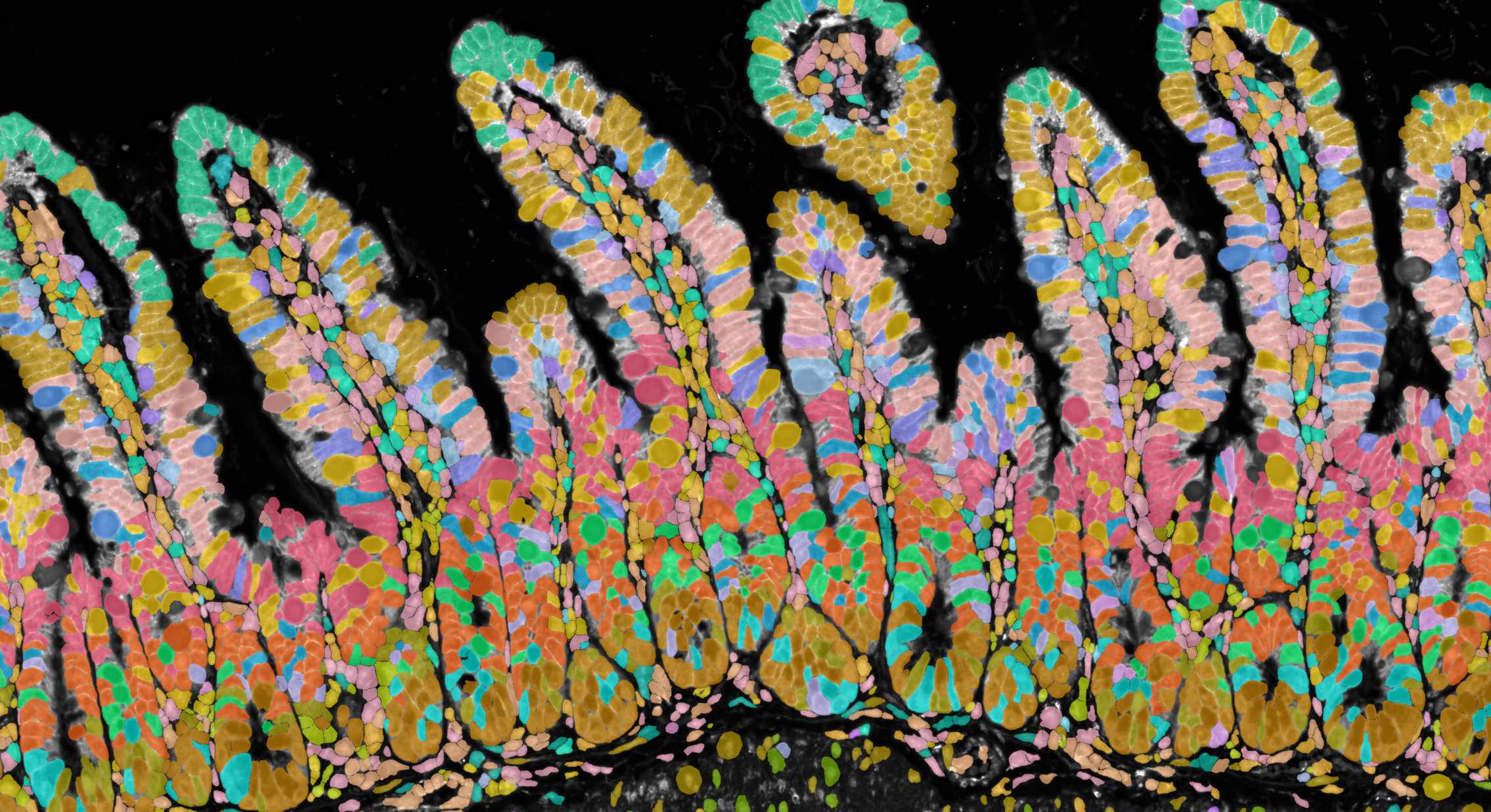
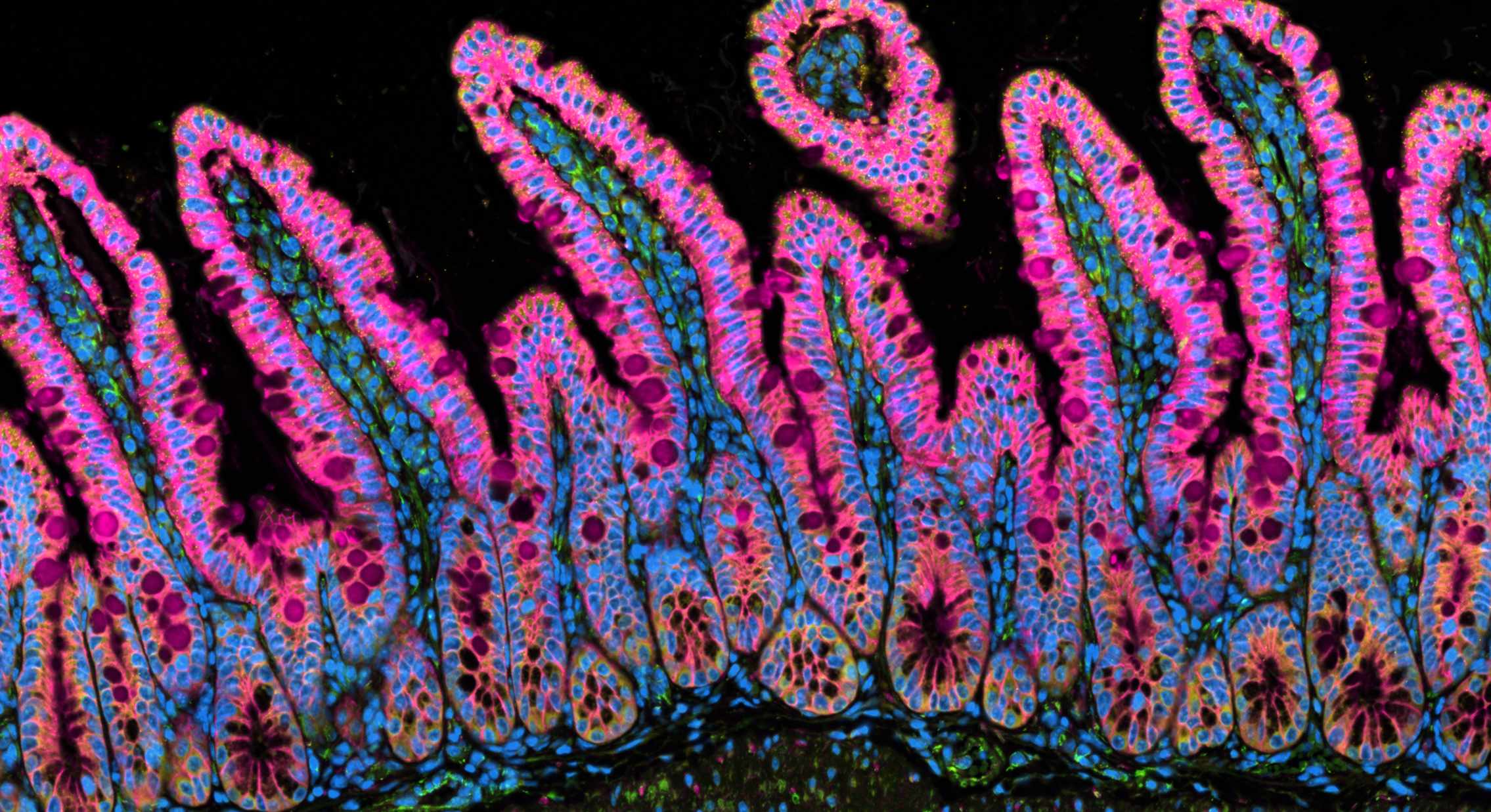
Xenium experiment of a mouse small intestine. Immunofluorescence and cell outlines are shown.
To study this, we map where cells sit in a tissue and which genes they switch on. Then we perturb genes in mouse models to test which signals matter.
A few current projects are below. The projects page has the rest, including older work.
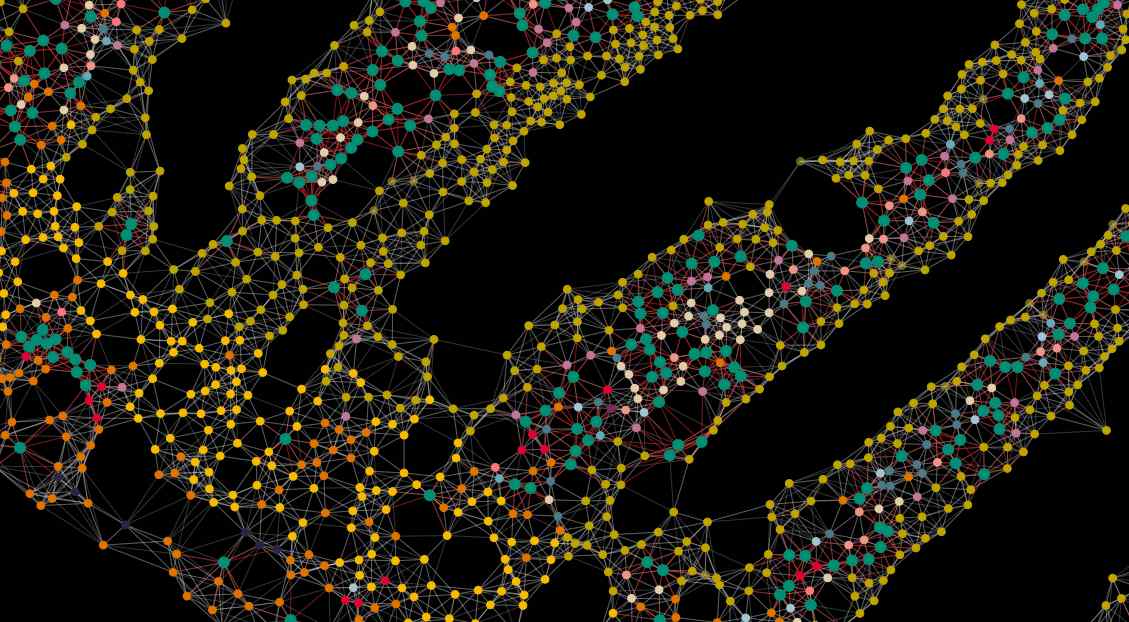
Using spatial transcriptomics, we try to overcome limitations of single-cell sequencing and study T cells in intact tissues to understand which cell-cell interactions, gradients and cellular niches promote memory formation in barrier tissues.
View project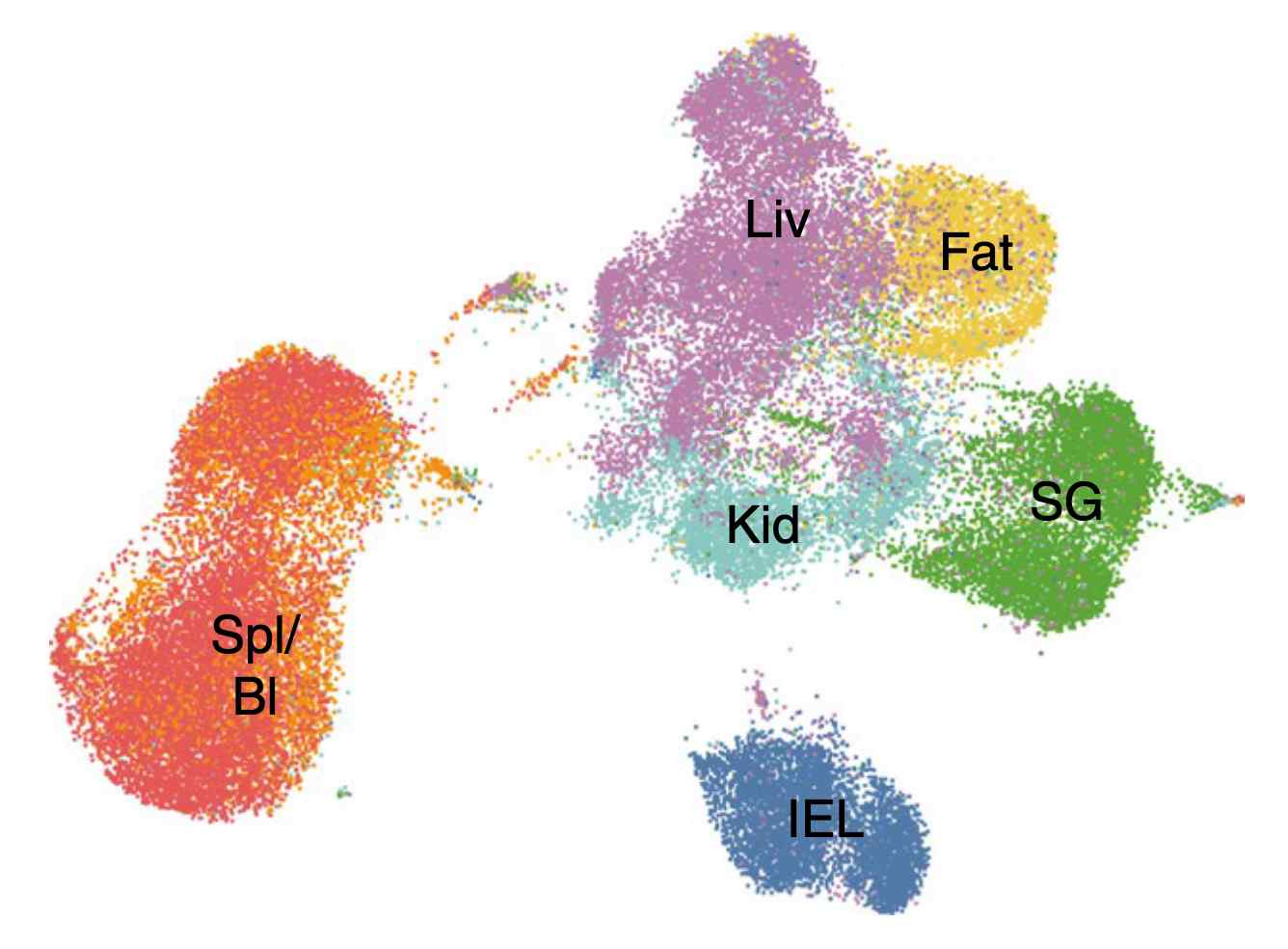
How do tissue-resident memory cells adapt to unique tissue microenvironments? How do they sense environmental signals? How are they incorporated? Using mouse models of acute viral infection, combined with genetic perturbations and single-cell sequencing, we explore the transcriptional networks that govern the acclimatization of T cells to various barrier tissues.
View projectSpatialTRACE predicts anatomical axes and regions in spatial transcriptomics and microscopy — even from DAPI alone.
Read the preprint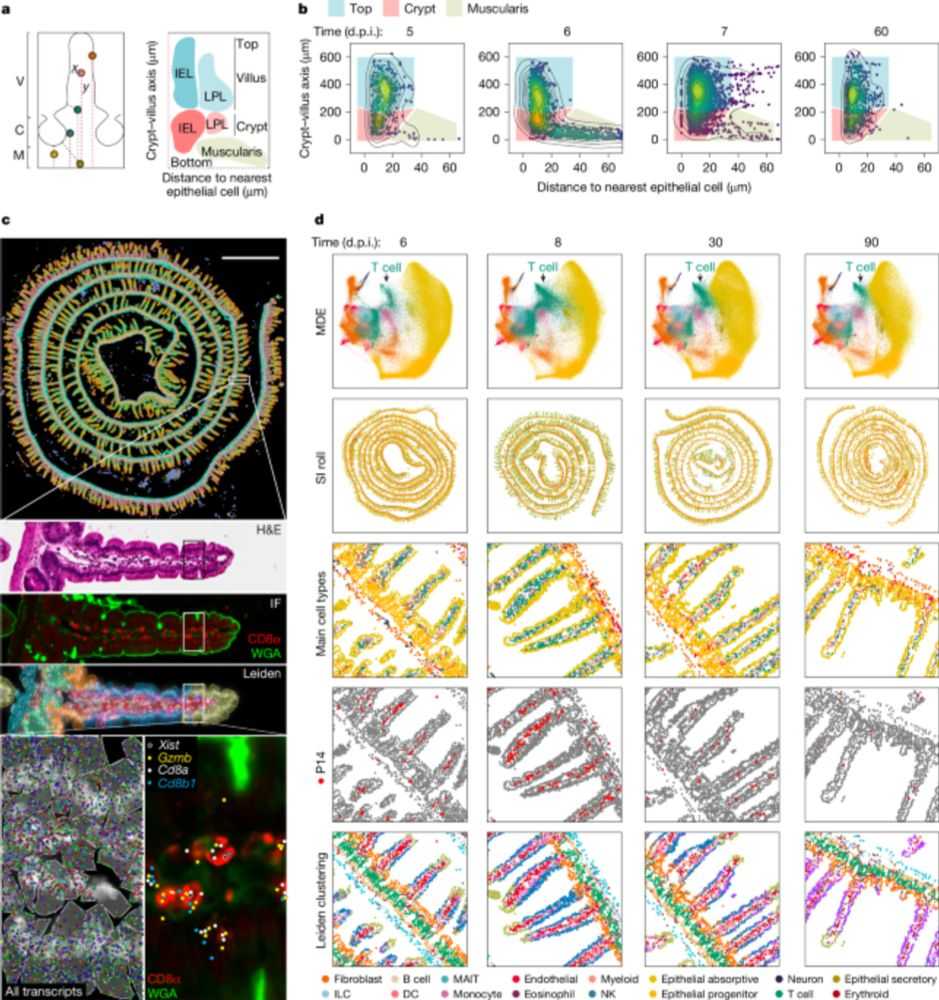
Spatial transcriptomics reveals how tissue-resident memory CD8+ T cells are spatiotemporally imprinted in the small intestine.
Read the paperI'm interested in how the immune system tells self from foreign, and what happens when that goes wrong. A tissue never leaves that decision to the immune cell alone, so we study the cell together with its surroundings.
This fascination led me to take an unconventional path as a medical doctor: starting with a basic research rotation during medical school, followed by a postdoctoral position at UCSD focusing on tissue residency after acute infection, and ultimately the establishment of my own research group at the Allen Institute for Immunology in Seattle.
Supported by a scholarship from the German National Academic Foundation, Maximilian obtained his medical degree from the University of Freiburg, where he completed his residency in pediatrics focusing on immune disorders. His postdoctoral fellowship in Ananda Goldrath's lab at UCSD was supported by the German Research Foundation.