Home Projects Publications

Hi! I'm Max!

Assistant Investigator @ Allen Institute for Immunology

Research Focus

I am intrigued by how the immune system distinguishes self from foreign but sometimes fails in the context of autoimmune diseases. This fascination led me to take an unconventional path as a medical doctor — starting with a basic research lab rotation during medical school, followed by a postdoctoral position at the University of California San Diego (UCSD) focusing on tissue residency after acute infection, and ultimately leading to the establishment of my own research group at the Allen Institute for Immunology in Seattle.

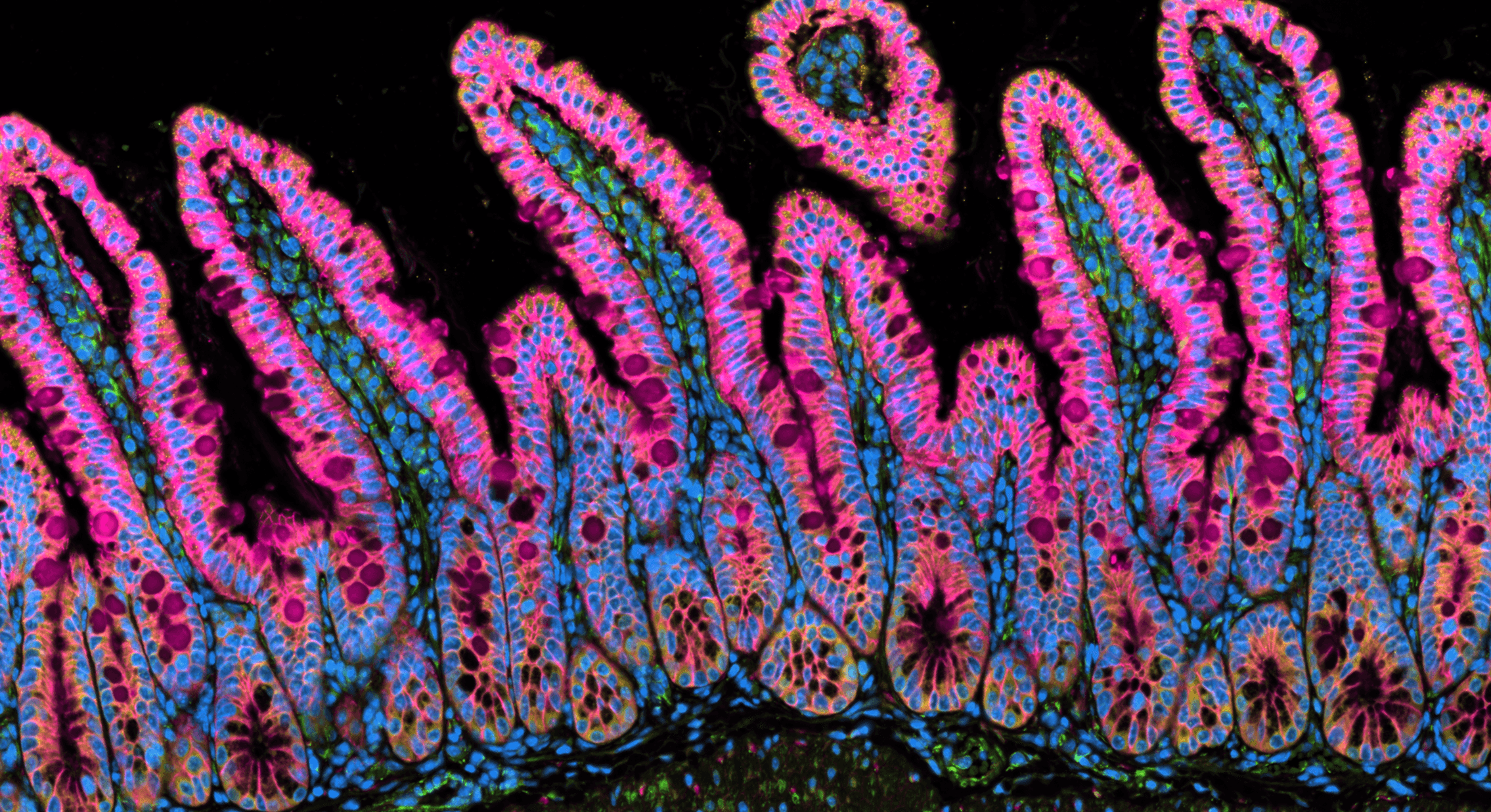
Xenium image showing the boundary staining
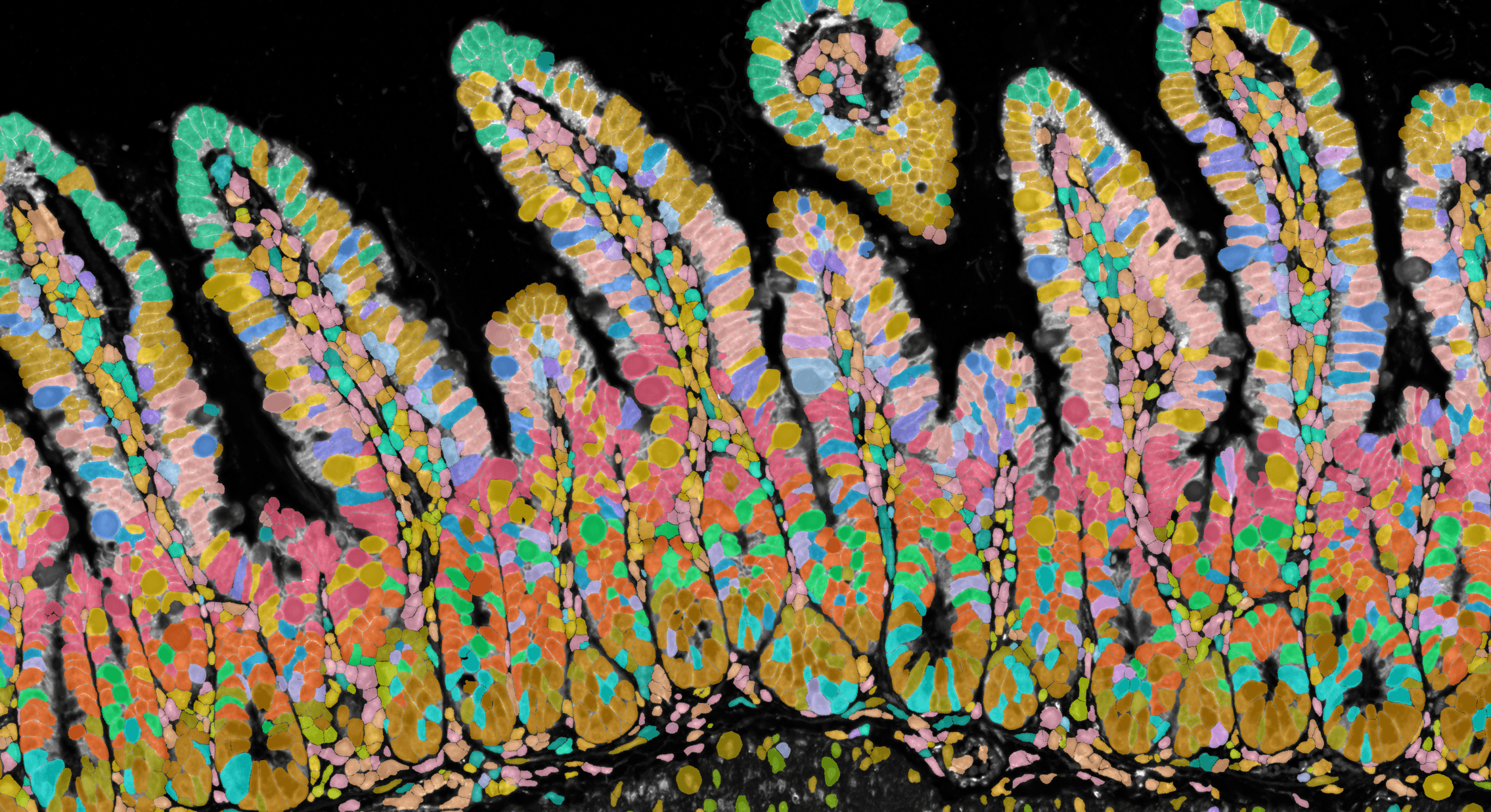
Xenium image showing the cell outlines

Xenium experiment of a mouse small intestine. Immunofluorescence and cell outlines are shown.

Our research aims to understand how immune responses are initiated, maintained, and regulated within tissues. By leveraging cutting-edge technologies and spatial transcriptomics, we investigate the signals and cell interactions that drive tissue adaptation, the transcription factors that regulate acclimatization to tissues, and how these processes can be therapeutically targeted.

News

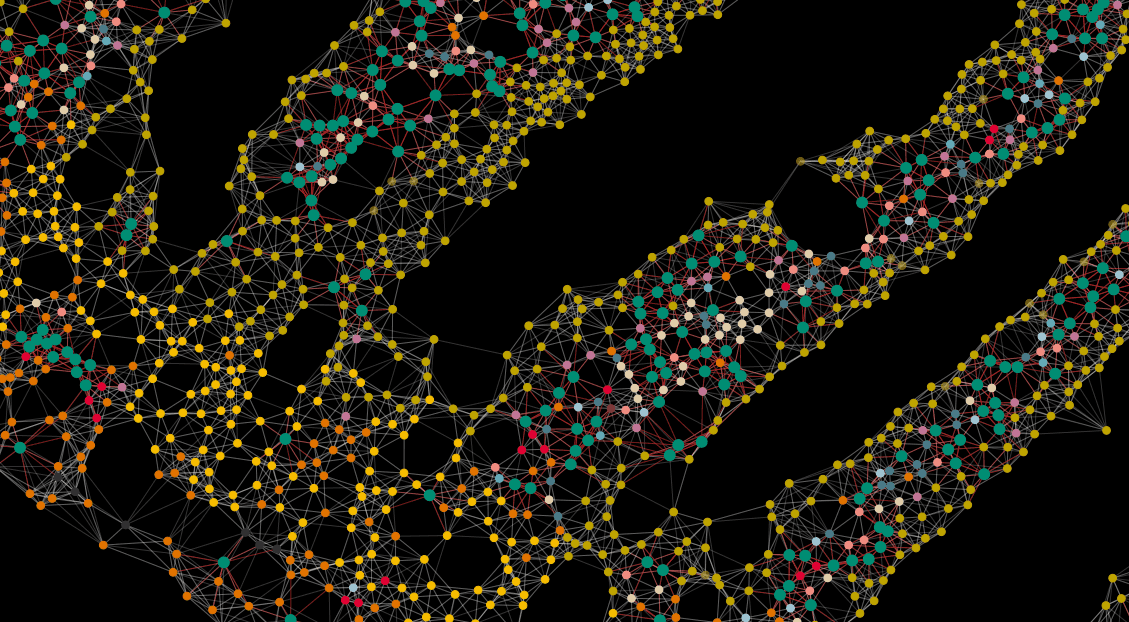
Xenium spatial transcriptomics of the mouse small intestine

New Study Published in Nature: Mapping Intestinal T Cell Memory Formation

We’re excited to announce the publication of our latest research in Nature, which reveals groundbreaking insights into how tissue-resident memory CD8+ T (TRM) cells develop and function in the intestinal environment.

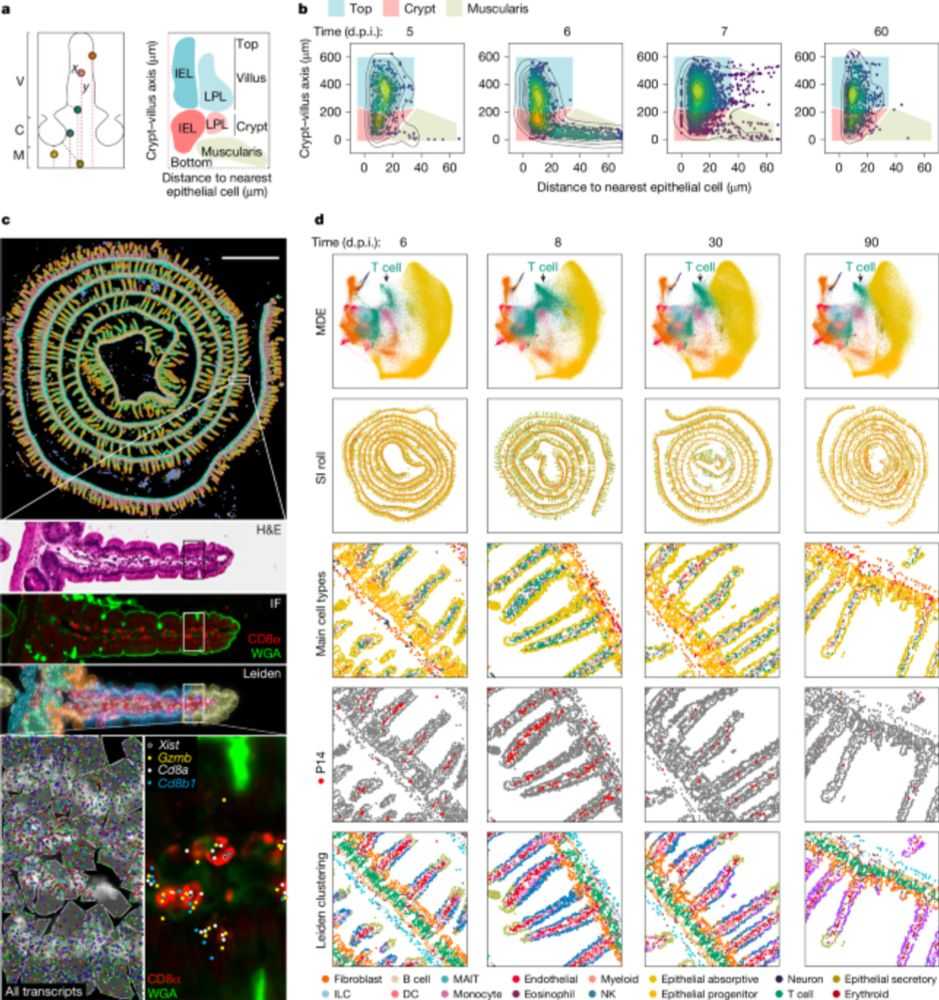
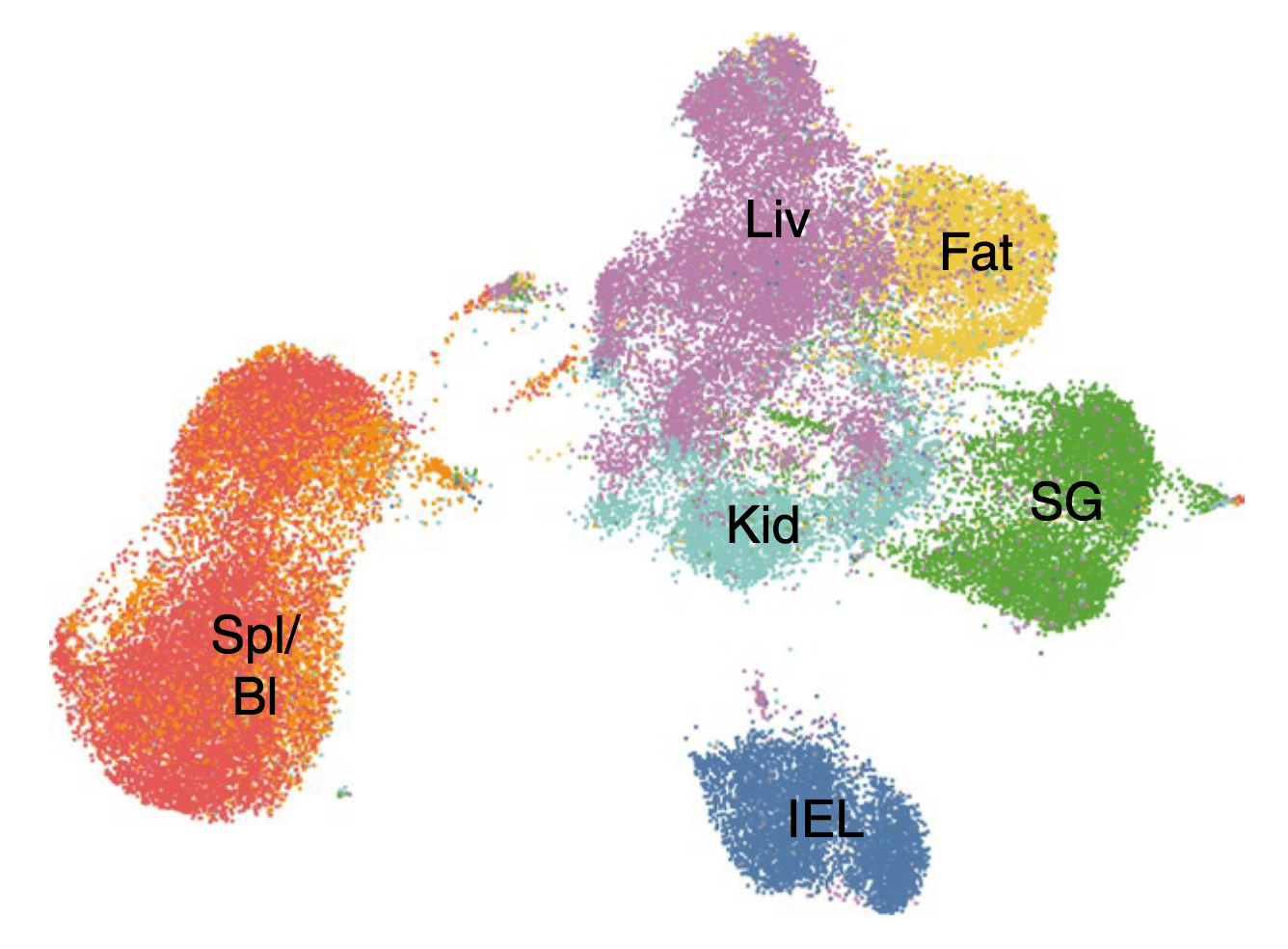
Using advanced spatial transcriptomics technology, our team successfully mapped both the spatial and temporal dynamics of intestinal TRM cell differentiation. This work provides unprecedented detail into how these critical immune cells adapt to their local tissue microenvironments and establish long-term protective immunity.

Read the full paper: Tissue-resident memory CD8 T cell diversity is spatiotemporally imprinted (Nature)
by Maximilian Heeg

Highlighted Projects

Learn more about the currently ongoing projects that we are currently working on. To learn about all (including past) projects, please visit the projects site.

Spatial Orchestration of small intestinal tissue-resident T cells

Using spatial transcriptomics, we try to overcome limiations of single-cell sequencing and study T cells in intact tissues to understand which cell-cell interactions, gradients and cellular niches promote memory formation in barrier tissues. [See how we use spatial transcriptomics to uncover the formation of TRM cells]

Transcriptional regulation of tissue-resident memory cells

How do tissue-resident memory cells adapt to unique tissue microenvironments? How do they sense environmental signals? How are they incorporated? Using mouse models of acute viral infection, combined with genetic perturbations and single-cell sequencing, we explore the transcriptional networks that govern the acclimatization of T cells to various barrier tissues. [Learn more about the transcriptional regulation of TRM cells]

Biography

Maximilian is an Assistant Investigator at the Allen Institute for Immunology. Supported by a scholarship of the German National Academic Foundation, Maximilian obtained his medical degree from the University of Freiburg, where he also completed his residency in pediatrics, focusing on immune disorders and immunodeficiencies. Before joining the Allen Institute and supported by a research scholarship from the German Research Foundation, Maximilian completed a postdoctoral fellowship under the supervision of Ananda Goldrath at the University of California San Diego. During his postdoc, he studied how T cells adapt to tissue microenvironments during an acute infection, how long-term immune residency is established and revealed that T cell location and functional state are fundamentally intertwined.